Review: Black and White Vase Flowers Vector Illu for Embroidery
As a designer who spends more time staring at stitch previews than actual fabric, I approach new design assets with a mix of curiosity and skepticism. When I first opened the Black and White Vase Flowers Vector Illu, my immediate reaction wasn't just about the aesthetic; it was about translation. How does this crisp, geometric vector art survive the journey from a digital screen to a textured, threaded finished product? This isn't just a pretty picture; it's a potential cornerstone for a boutique collection or a standout handmade product. Let's dig into how this illustration holds up under the needle.
The Visual Personality and First Impressions
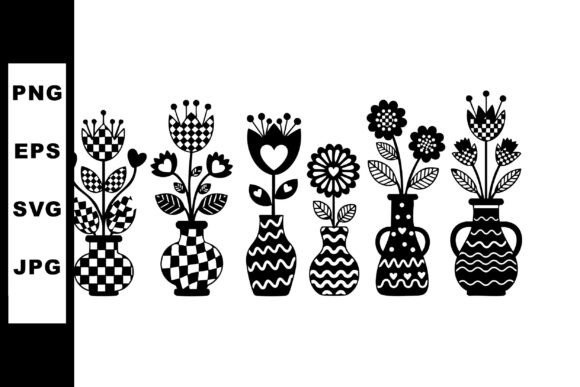
The composition features six decorative vases, each housing stylized flowers and intricate geometric patterns. The mood is undeniably calm and balanced, offering a modern twist on traditional botanical motifs. What strikes me most is the clarity of the lines. In the world of Illustrations and Graphics, busy details often get lost when converted into an embroidery file. However, the distinct separation between the vase bodies and the floral elements here suggests excellent potential for clean digitizing.
The black-and-white nature of the source art is a double-edged sword that actually works in our favor. It forces us to think critically about thread colors. Are we going for a classic monochrome look using black thread on white fabric? Or perhaps a high-contrast reverse with white thread on navy or black linen? The design's strong silhouettes mean it doesn't rely on subtle shading to make an impact, which is crucial for maintaining stitching clarity across different materials.
Real-World Application: The Boutique Tote Scenario
To truly test the viability of the Black and White Vase Flowers Vector Illu, I imagined a specific project: a custom line of canvas tote bags for a local flower shop. These aren't just promotional items; they need to look like premium small shop products that customers would proudly carry.
In this scenario, the geometric patterns within the vases provide a fantastic opportunity to play with fill stitch variations. A flat satin fill might look too heavy, but a lighter density fill or even a combination of running stitch for the outlines and sparse fills for the patterns could create a beautiful, airy texture. The stylized flowers offer a chance to use satin stitch columns for the petals, giving them a raised, tactile quality that invites touch.
If I were producing these for an Etsy seller or a craft fair, the versatility of this design is a major selling point. It fits seamlessly into a "modern farmhouse" or "minimalist botanical" brand identity. The balanced layout means it can be centered on a tote bag without looking lopsided, and the vertical orientation of the vases works well for narrower spaces, like the side of a sweatshirt embroidery project or down the leg of an apron.
Navigating Fabric Challenges and Hoop Constraints
While the design is stunning, practical application requires caution. The level of detail in the geometric patterns demands respect for stitch density. If you are working on a stretchy fabric like a jersey t-shirt or a soft baby onesie for baby embroidery, you must be vigilant. High-density areas can cause the fabric to pucker or distort, ruining the clean lines that make this illustration special.
For textured fabrics like waffle weave kitchen towels or thick wool blankets, the finer details of the vase patterns might get swallowed by the fabric's texture. In these cases, simplifying the digitizing—perhaps turning some of the smaller geometric fills into solid shapes or outlining them more boldly—would be necessary. Always test the design on scrap fabric that matches your final material. This is non-negotiable for maintaining professionalism.
Another consideration is the hoop size. Since the illustration contains six distinct vases, stitching the entire composition at once requires a large hoop. If your machine has a smaller field, you might need to split the design or select individual vases to create a series of smaller motifs. This modularity is actually a hidden strength; you could use a single vase as a logo mark on a cap or an embroidered patch, while using the full set for a pillow cover or wall hanging.
Commercial Viability and Brand Consistency
For commercial embroidery projects, consistency is key. The Black and White Vase Flowers Vector Illu offers a cohesive look that can tie together a whole product line. Imagine a wedding gift set featuring these vases on tea towels, napkins, and a table runner. The artistic composition ensures that even when scaled up or down, the design retains its integrity.
From a buyer's perspective, this design signals quality. It doesn't look like a generic clip-art dump; it looks curated. This perception boosts customer trust and allows you to command a higher price point for your personalized gift items. Whether you are creating holiday embroidery for seasonal decor or year-round custom apparel, the timeless nature of the black-and-white palette ensures it won't feel dated next season.
Essential Designer Notes for Execution
Before you commit to stitching this on a client's garment, keep these practical steps in mind:
- Check the License: The downloadable ZIP includes SVG and EPS files. Ensure you understand the licensing terms before selling finished items or using this as a digital embroidery file for resale. Some licenses allow for physical goods but restrict digital redistribution.
- Digitizing Strategy: If you are converting the vector yourself, pay close attention to the underlay. The geometric patterns need a stable foundation to prevent shifting. Consider using a tatami underlay for larger filled areas.
- Stabilizer Selection: For woven fabrics like linen or cotton, a cut-away stabilizer is often safer than tear-away, especially if the item will be washed frequently. This prevents the design from sinking into the fabric over time.
- Contrast Testing: Create mockups in both light-on-dark and dark-on-light scenarios. Sometimes a design that looks perfect in black ink needs a slight adjustment in thread shade (e.g., using charcoal instead of pure black) to reduce glare and soften the look on fabric.
- Detail Inspection: Zoom in on the smallest geometric elements. If a detail is thinner than two or three stitches wide, it may not stitch out cleanly. You may need to manually adjust these nodes in your embroidery software.
The Black and White Vase Flowers Vector Illu is more than just a static image; it is a versatile tool for the creative entrepreneur. With careful planning regarding fabric choice, stitch density, and hoop placement, it can elevate a simple tote bag design into a piece of wearable art. It bridges the gap between digital precision and the organic charm of handcrafted goods, making it a valuable addition to any designer's library.