Retro-style Flowers: Graphics & Illustrations Review
As a digital publisher who has spent years tweaking layouts and obsessing over pixel-perfect details, I know that the right graphic design asset can make or break a content strategy. When I first opened the files for Retro-style Flowers, my immediate reaction was one of relief. In a sea of generic, over-saturated stock imagery, this collection offers something distinct: a grounded, editorial quality that feels both nostalgic and incredibly current. The mood it creates is undeniably lifestyle-focused yet sophisticated enough for professional editorial design. It strikes a balance between playful femininity and clean, modern lines, making it a versatile tool for anyone looking to elevate their brand identity.
This isn't just about pretty pictures; it is about visual communication. For bloggers, newsletter creators, and affiliate marketers, the first impression is everything. When a reader lands on your site or sees your Pinterest pin, they subconsciously judge the credibility of your content based on your visuals. Retro-style Flowers supports content that needs to look polished and clickable. The hand-drawn nature of these illustrations suggests authenticity, which builds immediate reader trust. Whether you are running a food blog, a wellness journal, or an online education platform, these assets signal that you care about the aesthetic experience of your audience.
Integrating Assets into a Real Publishing Workflow
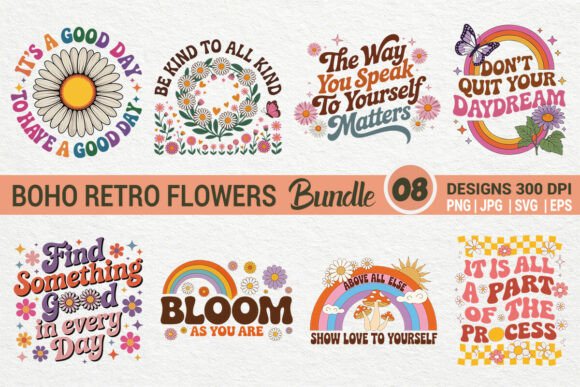
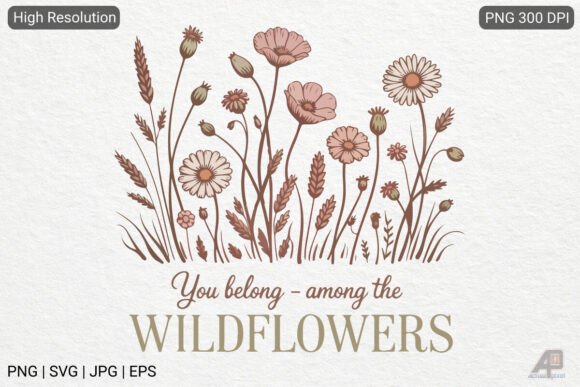
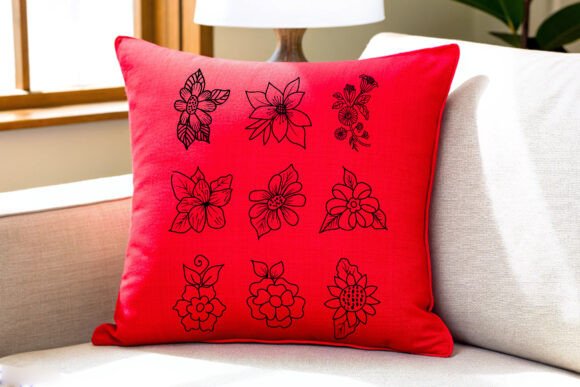
Let's talk about practical application. In my own workflow, I am constantly juggling different formats for a single piece of content. I need a hero image for the blog post, a vertical graphic for Pinterest, a banner for my weekly newsletter, and perhaps a thumbnail for a downloadable resource. This is where a cohesive set like Retro-style Flowers becomes invaluable. Because the style is consistent across all nine designs, I can create a unified visual language without spending hours searching for matching elements.
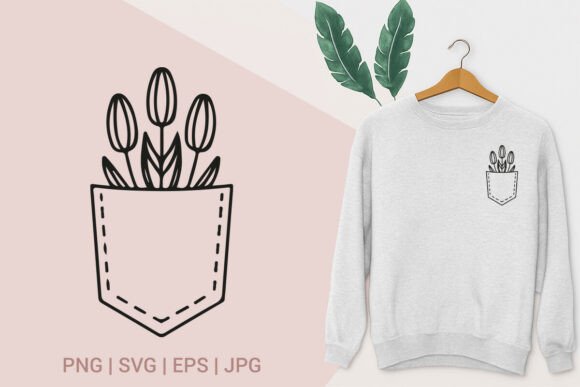
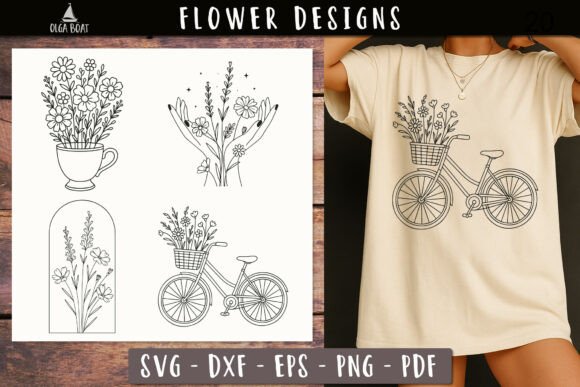
I envision using these illustrations as website header accents to break up text-heavy articles, giving the reader's eye a place to rest. They work exceptionally well as category thumbnails, helping users visually distinguish between sections like "Home Decor," "Gardening," or "Lifestyle." For those creating digital products, such as eBooks or worksheets, these line art flowers serve as perfect decorative borders or chapter dividers. They add a layer of professional polish to lead magnets and digital guides that often feel too sterile when designed with standard system fonts and clipart.
Furthermore, for affiliate marketers, trust is currency. Using high-quality blog graphics that look custom-made rather than slapped together from free repositories can significantly improve click-through rates on product reviews. These illustrations can frame a product shot or sit subtly behind a call-to-action button, enhancing the visual hierarchy without distracting from the sales message. If you are building Canva templates for clients or selling your own printable design files, this bundle provides a solid foundation for creative design that appeals to the current market trend of vintage-inspired minimalism.
Performance and Visual Identity
The impact of Retro-style Flowers extends beyond mere decoration; it directly influences content performance. A strong visual identity leads to better category recognition. When readers see these specific floral lines repeatedly across your social media graphics and website, they begin to associate that style with your voice. This consistency fosters loyalty. Additionally, the clean lines of these illustrations ensure that they do not clutter the layout. In web design, whitespace is critical, and these assets respect that need while still adding character.
However, every designer knows that context is king. While these assets are powerful, they must be used strategically. They shine brightest in hero images, article thumbnails, and newsletter headers where they have room to breathe. Conversely, one must be careful using them in small mobile thumbnails where fine lines might blur or disappear. They may not be the best fit for text-heavy blog images where readability could be compromised, nor should they be placed on low-contrast backgrounds that wash out the delicate strokes. For very serious professional niches, like corporate finance or heavy industrial news, the retro-floral vibe might feel too soft, so gauge your audience carefully.
Practical Notes for Publishers and Designers
Before integrating Retro-style Flowers into your live environment, there are several technical checks I recommend. First, always test your designs on both desktop and mobile screens. What looks crisp on a 27-inch monitor might look muddy on a smartphone. Preview the illustrations inside your actual blog layout to ensure they harmonize with your existing theme. Experiment with typography; these line drawings pair beautifully with serif fonts for a classic editorial look, but they also pop against bold sans serif or handwritten display fonts for a more modern twist.
File performance is another crucial factor. Large image files can slow down your site, hurting your SEO rankings. Ensure you compress images properly for web use without losing the clarity of the line work. Try rendering the graphics in black and white to see how they hold up against different background colors. Finally, and most importantly, confirm the licensing terms. Since this is intended for commercial design use, verify that you have the appropriate commercial license before using these assets on monetized websites, affiliate pages, or in paid content products sold via a creative marketplace.
In conclusion, Retro-style Flowers is more than just a collection of clipart; it is a strategic tool for content marketing and small business branding. It offers a way to inject personality and professionalism into your digital presence simultaneously. Whether you are a solo entrepreneur launching a new digital download or an established publisher refreshing your site's aesthetic, this bundle provides the flexibility and quality needed to stand out in a crowded digital landscape. By leveraging these design assets thoughtfully, you can create a cohesive, trustworthy, and visually stunning experience for your audience.